ViewerGuide6 min read
View in Your Room: How AR Helps Sell Furniture Online (No App Needed)
Augmented reality lets a customer put a sofa or a lamp in their own room, at real size, from the product page. How it works on iPhone and Android, what it needs, and where it helps most.
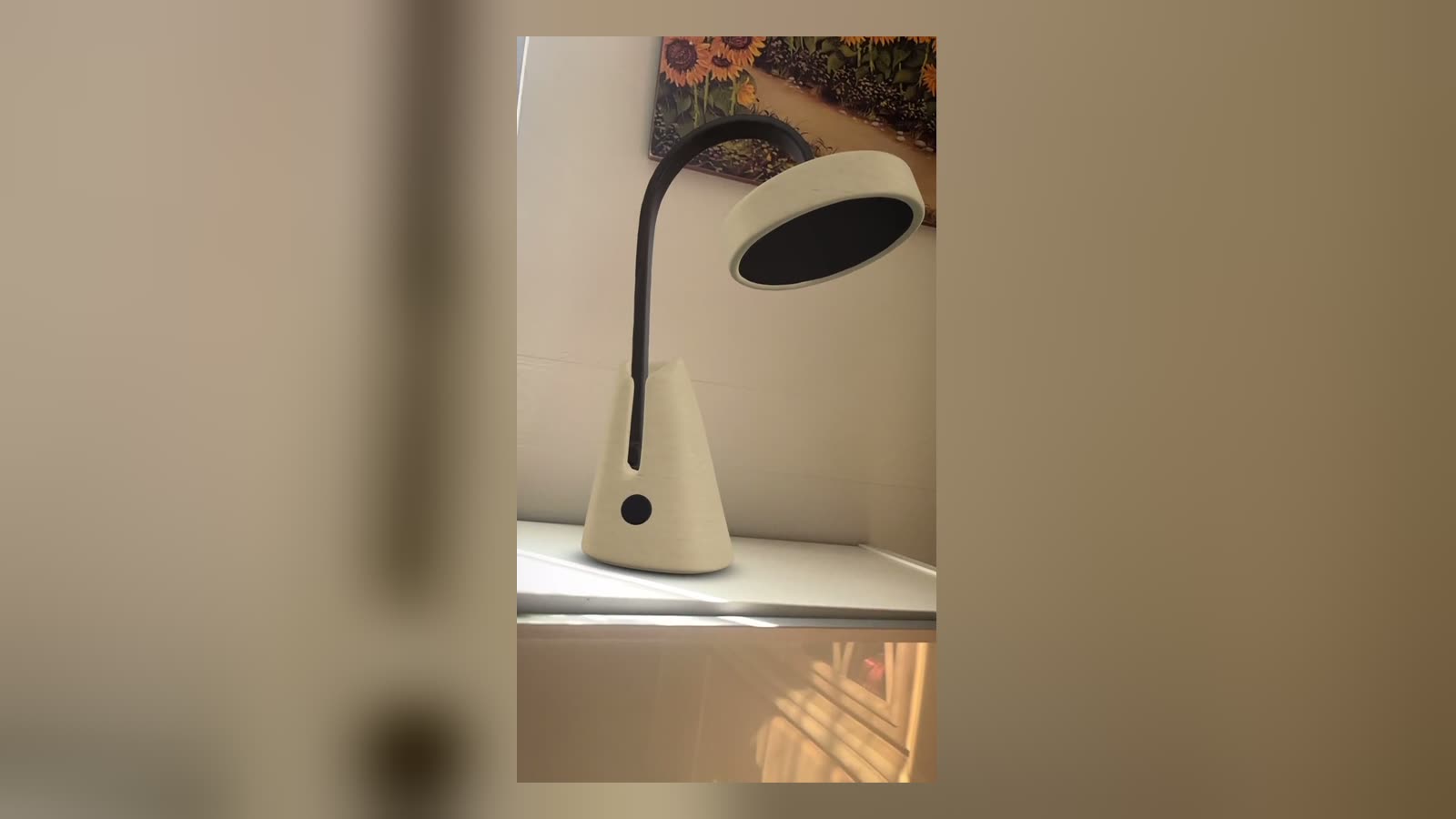
The question that stops most furniture purchases online is not the price. It is “will it fit?”. A photo cannot answer it, and a size in centimetres only half does. Augmented reality answers it directly: the customer points the phone at the floor and the product appears there, at the size it will arrive.
How “view in your room” works
On a product page with AR, the customer taps a button. On an iPhone the product opens in AR Quick Look, the viewer built into iOS; on Android it opens in the phone's AR mode. The camera finds the floor, the product is placed on it at real scale, and the customer can walk around it, move it and look at it from the sofa.
None of this needs an app. It starts from the browser, from the same link as the product page. That matters: almost nobody installs an app to look at one sofa.
What you need
- A 3D model of the product. GLB is the standard format for the web; Luxa also opens GLTF, FBX, OBJ and CAD files in STEP or IGES.
- A version of the model for iPhone (USDZ). Luxa creates it for you when AR is turned on.
- The right real-world size. A model built in the wrong units shows a sofa the size of a cup, so check the dimensions once.
- A viewer on the product page with the AR button inside it.
With Luxa Viewer the 3D model, the finishes and the AR button live in the same viewer, which goes on any site with one embed line.
Where AR helps most
- Big pieces whose size is hard to imagine: sofas, tables, wardrobes, beds.
- Lamps and decorative objects, where the question is how it looks next to what the customer already has.
- Products with many finishes, when the customer can switch fabric or colour before placing it.
- Watches, with a try-on on the wrist instead of the floor.
What it does to sales and returns
The most cited figures come from the companies that offer 3D and AR, so read them as a direction rather than a promise. Shopify reported in 2022 a 94% conversion lift, on average, for merchants who add 3D content to their stores, and Build.com measured with an A/B test a 22% lower return rate for shoppers who used AR. These and other figures, each with its source, are on our page Why 3D and AR.
AR in the store, too
AR is not only for online customers. In a showroom that cannot display every finish or every size, a QR code on the price tag opens the same product in AR, in the colour the customer prefers, next to the piece on display.
Questions
- Does AR work on every phone?
- It works on recent iPhones and on most recent Android phones, from the browser and without an app.
- Is the product shown at its real size?
- Yes, as long as the 3D model has the right dimensions. AR places it at real scale, and the customer can still move and turn it.
- Which 3D format does AR need?
- GLB for the web and Android, USDZ for iPhone. Luxa creates the USDZ from your model automatically.
- Do I need a 3D model of every product?
- One per product. The finishes and colours of a product can live in the same model. If you have no 3D files, see how to get 3D models of your products.
Your products in 3D and AR.
For a whole catalogue we model it and publish it for you. To try it alone, the free plan includes AR.
More from the blog